









The hidden motives behind the psychology of gambling
The allure of risk and reward
The psychology of gambling is deeply intertwined with the allure of risk and reward. For many individuals, the thrill of placing a bet and the possibility of winning large sums of money provide a rush that is hard to replicate in other activities. This excitement activates the brain’s reward system, releasing dopamine, which reinforces the desire to gamble. For those interested in leisure activities, exploring aus online pokies can be an engaging option. Understanding this dynamic is crucial for both players and those concerned about the implications of gambling behavior.
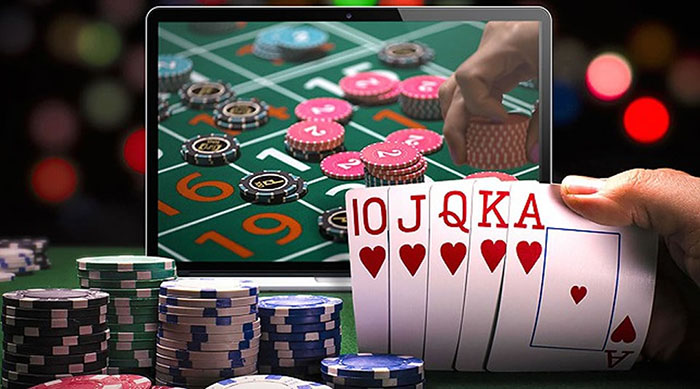
Moreover, the concept of risk-taking is often glamorized in society. Many view gamblers as adventurous or daring, which can further entice individuals to engage in this behavior. This social perception contributes to a cycle where the excitement of potential gain overshadows the risks involved, creating a compelling incentive to gamble.
The impact of cognitive biases
Cognitive biases play a significant role in gambling psychology, influencing how individuals perceive their chances of winning. For instance, the “illusion of control” leads some gamblers to believe that they can influence the outcome of random events, such as dice rolls or card draws. This false belief often results in an overestimation of their gambling skills, which can drive them to gamble more frequently.
Additionally, the “gambler’s fallacy” can affect decision-making. This bias causes individuals to think that past outcomes influence future results, leading them to chase losses or believe they are due for a win. These cognitive distortions can create a harmful cycle, making it difficult for individuals to recognize when to stop gambling.
The role of emotions in gambling behavior
Emotions significantly influence gambling decisions. Many people use gambling as a coping mechanism to escape negative feelings or stress. The act of betting can temporarily provide relief or distraction, but it can also lead to a deeper reliance on gambling for emotional regulation. This can create a dangerous pattern where individuals find themselves trapped in a cycle of emotional highs and lows, often exacerbated by gambling.
Conversely, positive emotions can also drive gambling behavior. The euphoric feeling associated with winning can lead to continued betting, as individuals chase that high. This rollercoaster of emotions can cloud judgment, making it challenging for gamblers to recognize the potential consequences of their actions.
The social environment and peer influence
The social context in which gambling occurs can significantly impact individual behavior. For many, gambling is a communal activity enjoyed with friends or family. This social aspect can enhance the excitement and fun, making it more appealing. However, the influence of peers can also encourage risky behavior, as individuals may feel pressured to gamble more or take larger risks to fit in.
Furthermore, the normalization of gambling in certain social circles can create a sense of acceptance surrounding the behavior, making it difficult for individuals to assess their own gambling habits critically. This social reinforcement can further entrench gambling behavior, making it harder for individuals to break free from the cycle.

Understanding responsible gambling practices
It is essential for individuals to understand the psychology behind their gambling behavior to engage in responsible practices. Recognizing the triggers that lead to gambling can empower players to make informed decisions. Strategies such as setting limits, self-exclusion, and seeking support can mitigate the risks associated with gambling.
Ultimately, awareness and education are crucial in fostering a healthier relationship with gambling. By understanding the underlying motives and psychological factors at play, individuals can navigate the complexities of gambling more effectively, ensuring that it remains a form of entertainment rather than a source of harm.
